
Driving Advocacy with Data & Insights National Center for Missing and Exploited Children
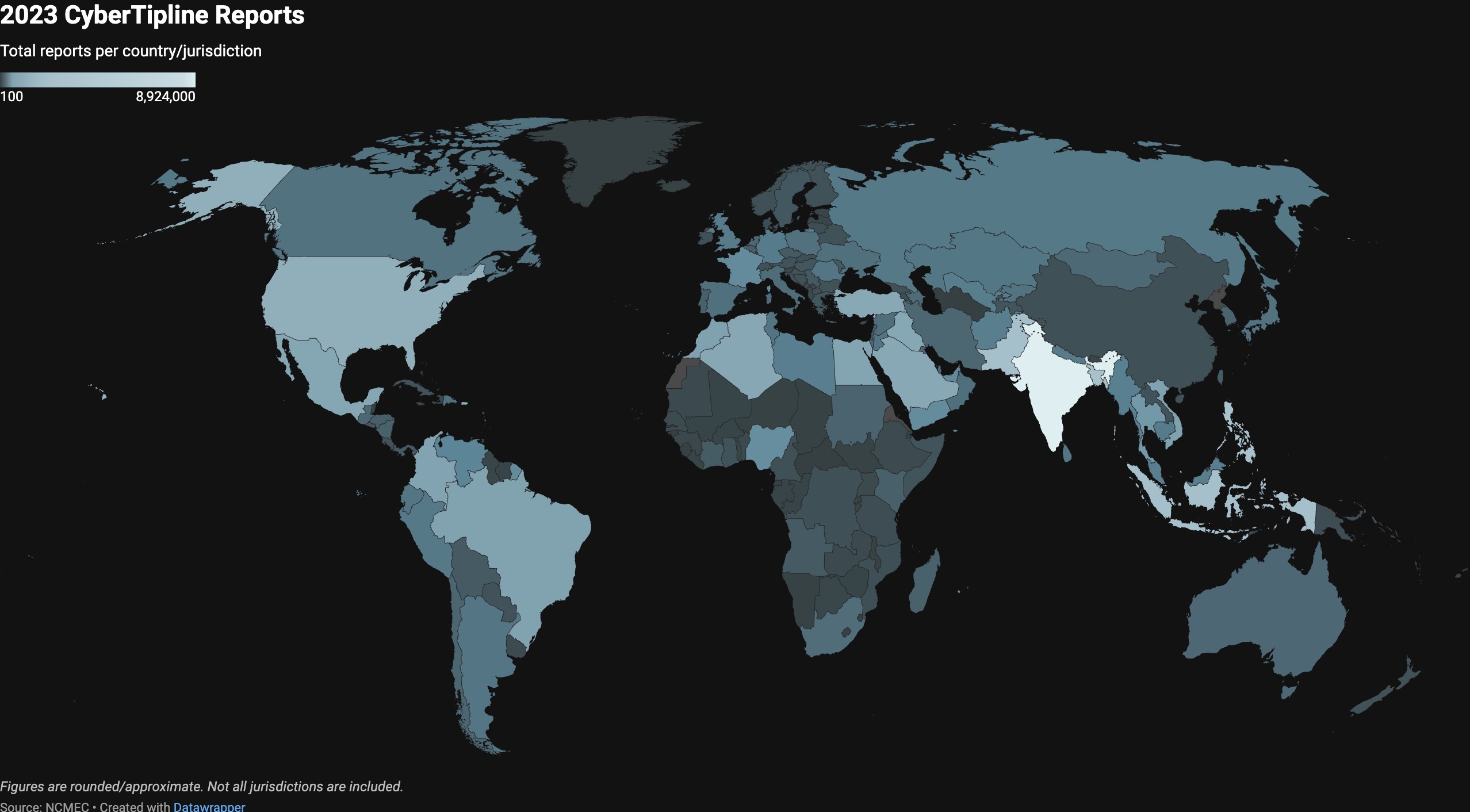
Select a jurisdiction from the map, search box, or list

Featured

Emerging Policy Issues
  • European Union ends voluntary CSAM detection

    April 3, 2026


    With the expiration of a temporary derogation on April 3, 2026, online platforms are no longer able to voluntarily detect and remove child sexual abuse material (CSAM) in the EU. When this prohibition first took effect (December 2020), NCMEC observed a reduction of about 58% in CyberTipline reports for EU jurisdictions until the enactment of the temporary derogation allowing continued voluntary detection. That measure was twice extended but has now ended.


    Governments should allow online platforms to use various strategies to detect, prevent, disrupt, and report as appropriate all types of online child sexual exploitation, even if as an exception to broader or more general prohibitions on content screening.


    NCMEC joins other advocates in calling on the EU to quickly adopt a comprehensive and permanent legal framework—including the restoration of voluntary detection measures—to address CSAM and other harms.

  • A First Look at NCMEC's 2025 Data

    March 31, 2026


    NCMEC has published a blog post on its main website previewing trends revealed in 2025 CyberTipline reports, including insights into reports with a generative artificial intelligence nexus and dramatic increases in reports related to child sex trafficking and online enticement of children for sexual purposes.


    Detailed CyberTipline data from the first half of 2025 is currently available on the Global Platform for Child Exploitation Policy; the second half and full-year 2025 datasets will be added in the coming months.


    https://www.ncmec.org/blog/2026/the-work-never-stops-first-look-at-ncmecs-2025-data

  • UNICEF: Global analysis of social media age restrictions

    March 13, 2026


    UNICEF has published a “rapid analysis” of enacted and proposed legislation regarding age-based restrictions on access to social media services, following its April 2025 policy note. Both documents are “designed to support countries exploring age-based limits for social media.”


    https://www.unicef.org/documents/drawing-line-digital-spaces

  • NCMEC again testifies before U.S. Congress

    March 3, 2026


    On March 3, 2026, the Senate Judiciary Committee’s Subcommittee on Crime and Counterterrorism held a hearing titled, “Lost and Exploited: Confronting Child Trafficking and the Failure to Protect America’s Most Vulnerable”—at which NCMEC testified about the intersection of child sexual abuse material and child sex trafficking. During the hearing, Senator Richard Durbin mentioned recently advanced legislation named for James T. Woods, the son of Tim and Tamia Woods who are featured on the Global Platform for Child Exploitation Policy sharing why they created the Do It For James Foundation.

    Being available for and participating in legislative hearings are important aspects of NCMEC’s policy and legislative advocacy. Other stakeholders should consider seeking similar access to help inform and advise legislative bodies in their respective jurisdictions.

  • NCMEC testifies before U.S. Congress

    December 10, 2025


    On December 9, 2025, the Senate Judiciary Committee held a hearing on “Protecting Our Children Online Against the Evolving Offender.” Senators heard from NCMEC and other witnesses, including Tamia Woods, who is featured on the Global Platform for Child Exploitation Policy with Tim Woods sharing about why they created the Do It For James Foundation. NCMEC shared updated information about trends related to financial sextortion, sadistic online exploitation, and GAI CSAM.


    On December 10, 2025, the Cybersecurity, Information Technology, and Government Innovation Subcommittee of the House Oversight and Government Reform Committee held a hearing on “Using Modern Tools to Counter Human Trafficking.” At this hearing NCMEC shared insights about child sex trafficking trends and its use of technology and data analytics to help identify, locate, and protect children victimized by sex trafficking.


    Being available for and participating in hearings such as these are important aspects of NCMEC’s policy and legislative advocacy. Other stakeholders should consider seeking similar access to help inform and advise legislative bodies in their respective jurisdictions.

  • UN Convention against Cybercrime opens for signing in Hanoi

    October 25, 2025


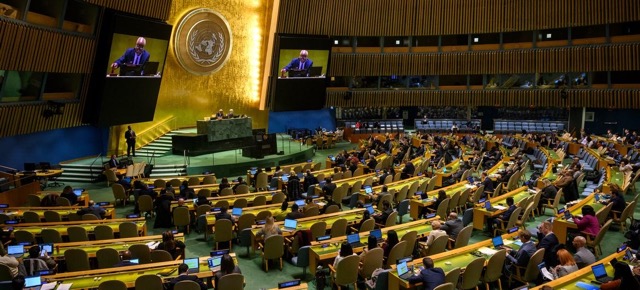
    The government of Vietnam hosted a signing ceremony, attended by representatives from about 110 countries, for the United Nations Convention against Cybercrime (the “Hanoi Convention”). More than 70 countries signed the Convention, initiating respective ratification processes for each to become a State Party. According to Article 65(1), the Convention will enter into force 90 days after at least 40 Member States become Parties.


    For more information, including NCMEC’s advocacy, see: “UN General Assembly adopts Convention against Cybercrime

Global Platform for Child Exploitation Policy

The views and opinions expressed in content attributed to sources other than NCMEC are those of the respective author, speaker, or contributor. Some survivor consultants have been compensated for their contributions to content. Inclusion of content or external links does not signify NCMEC's endorsement.

Copyright © National Center for Missing & Exploited Children. All Rights Reserved.